
Drainage Solutions
Drainage solutions are systems and methods designed to remove excess water from land, buildings, and infrastructure to prevent flooding, erosion, and structural damage. These solutions can be broadly categorized into surface and subsurface drainage. Surface drainage manages water that collects on the ground using slopes, channels, or ditches to direct it away, while subsurface drainage removes excess water from the soil through buried pipes such as French drains. Common systems include gutter and downspout setups that carry rainwater away from roofs, channel drains used in paved areas to collect runoff, and sump pumps that actively remove water from basements. Other methods, such as dry wells, allow water to slowly infiltrate into the ground, while large-scale stormwater drainage systems handle heavy rainfall in urban areas. Overall, effective drainage solutions are essential for protecting structures, maintaining soil stability, and ensuring safe and functional outdoor environments.
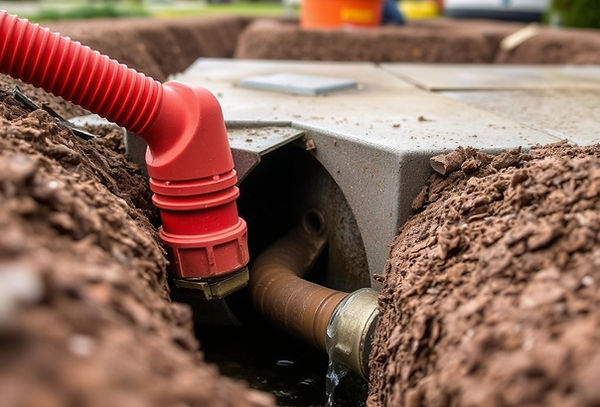
Drainage solutions are systems or methods designed to remove excess water from land, buildings, or infrastructure to prevent damage, flooding, and erosion. They are essential in residential, commercial, agricultural, and civil engineering projects.
Here’s a clear breakdown of common drainage solutions and what they do:
1. Surface Drainage
This type manages water that collects on the ground surface.
-
Description: Uses slopes, channels, or shallow ditches to guide water away.
-
Examples: Swales, gutters, and open drains.
-
Purpose: Prevents water pooling on lawns, roads, and construction sites.
2. Subsurface Drainage
Targets water that saturates the soil below the surface.
-
Description: Involves buried pipes or drainage tiles that collect and redirect groundwater.
-
Examples: French drains, perforated pipes.
-
Purpose: Protects foundations, prevents soil waterlogging, and improves plant health.
3. French Drains
A very common residential solution.
-
Description: A trench filled with gravel containing a perforated pipe that redirects water.
-
Purpose: Moves water away from basements, foundations, or soggy yard areas.
4. Channel (Trench) Drains
Often used in paved areas.
-
Description: Long, narrow drains with a grate on top to capture runoff.
-
Examples: Driveways, garages, patios.
-
Purpose: Quickly collects and directs surface water to drainage systems.
5. Downspout and Gutter Systems
Installed on buildings.
-
Description: Collect rainwater from roofs and channel it away through downspouts.
-
Purpose: Prevents water from accumulating near foundations.
6. Sump Pump Systems
Used in basements or low-lying areas.
-
Description: A pump installed in a sump pit that removes collected water.
-
Purpose: Prevents basement flooding.
7. Dry Wells
A passive drainage option.
-
Description: Underground structures that collect water and allow it to slowly soak into the ground.
-
Purpose: Reduces runoff and recharges groundwater.
8. Stormwater Drainage Systems
Large-scale infrastructure.
-
Description: Networks of drains, pipes, and culverts designed to handle heavy rainfall.
-
Purpose: Prevents urban flooding and manages runoff safely.
Why Drainage Solutions Matter
-
Prevent structural damage to buildings
-
Reduce soil erosion
-
Minimize flooding risks
-
Protect landscaping and crops
-
Improve safety and usability of outdoor spaces
Here’s a clear step-by-step installation process for drainage solutions with icons to make it easier to follow:
1. 📝 Site Assessment
-
Inspect the area to identify water accumulation points, soil type, and slope.
-
Plan the most effective drainage layout based on these observations.
2. 📐 Design & Planning
-
Decide which type of drainage system is needed (French drain, channel drain, gutters, etc.).
-
Mark trench lines or drain paths and calculate materials needed.
3. ⛏️ Excavation
-
Dig trenches or channels according to the planned layout and required depth.
-
Ensure proper slope for water to flow naturally.
4. 🪨 Base Preparation
-
For subsurface drains, place a layer of gravel at the bottom of the trench to aid water flow.
5. 💧 Pipe Installation
-
Place perforated drainage pipes (for French drains or subsurface systems) on top of the gravel.
-
Wrap the pipe in filter fabric if necessary to prevent soil clogging.
6. 🏗️ Backfilling
-
Cover the pipe with more gravel, then backfill with soil.
-
For surface drains, set pre-formed drain channels and secure them with concrete if needed.
7. 🏠 Gutters & Downspouts (if applicable)
-
Install gutters along roof edges and connect downspouts to carry water away from the foundation.
8. 🔧 Sump Pump Installation (if needed)
-
Install a sump pit and pump in areas prone to water accumulation below ground.
-
Connect to an outlet where water can safely discharge.
9. ✅ Testing & Finishing
-
Test the system by running water through it to ensure proper flow.
-
Restore landscaping and grade the area to maintain effective drainage.